NASA’s crawler-transporter 2, carrying NASA’s Artemis II SLS (Space Launch System) rocket with the Orion spacecraft, arrives Wednesday, Feb. 25, 2026, inside the Vehicle Assembly Building at NASA’s Kennedy Space Center in Florida – after rolling back from Launch Complex 39B. NASA will repair blockages of helium flow to the interim cryogenic propulsion stage (ICPS) upper stage required for purges and fuel tank pressurization to launch the rocket. Once complete the SLS rocket will roll back to pad 39B to launch four astronauts around the Moon and back for Artemis II test flight. Credit: Ken Kremer / Space UpClose
KENNEDY SPACE CENTER, FL – NASA’s SLS (Space Launch System) and Orion spacecraft mega moon rocket for the Artemis II crewed moonshot mission completed its rollback from launch pad 39B into the VAB where it arrived inside late evening Feb. 25, at NASA’s Kennedy Space Center in Florida – to fix the helium flow interruption issue detected in the ICPS upper stage during testing overnight Feb. 21 at Launch Complex 39B.
Enjoy our multiple Galleries of Rollback photos for Space UpClose from the team of Ken Kremer and Jean Wright – which will be posted in several galleries
NASA’s crawler-transporter 2, carrying NASA’s Artemis II SLS (Space Launch System) rocket with the Orion spacecraft, arrives Wednesday, Feb. 25, 2026, inside the Vehicle Assembly Building at NASA’s Kennedy Space Center in Florida – after rolling back from Launch Complex 39B. NASA will repair blockages of helium flow to the interim cryogenic propulsion stage (ICPS) upper stage required for purges and fuel tank pressurization to launch the rocket. Once complete the SLS rocket will roll back to pad 39B to launch four astronauts around the Moon and back for Artemis II test flight. Credit: Ken Kremer / Space UpClose
Herein my remote camera and still photos taken from inside the VAB at 2 levels on level 16 and 32 as the 32 story tall rocket rolled in over the late afternoon and evening atop CT-2.
Also included herein are the work platforms being reinstalled
NASA’s crawler-transporter 2, carrying NASA’s Artemis II SLS (Space Launch System) rocket with the Orion spacecraft, arrives Wednesday, Feb. 25, 2026, inside the Vehicle Assembly Building at NASA’s Kennedy Space Center in Florida – after rolling back from Launch Complex 39B. NASA will repair blockages of helium flow to the interim cryogenic propulsion stage (ICPS) upper stage required for purges and fuel tank pressurization to launch the rocket. Once complete the SLS rocket will roll back to pad 39B to launch four astronauts around the Moon and back for Artemis II test flight. Credit: Ken Kremer / Space UpClose
The approximately 4-mile trek took approx. 10 ½ hours – similar to rollout on Jan. 17.
Now back in the VAB, within an hour or so teams immediately begin work to install platforms to access the area of the helium flow blockage issue in the rockets ICPS upper stage to diagnose and fix it
NASA Artemis II will launch four astronauts around the Moon and back on a 10 days test flight – on the first mission to send humans to the Moon in over 50 years since Apollo 17 in Dec. 1972.
NASA’s crawler-transporter 2, carrying NASA’s Artemis II SLS (Space Launch System) rocket with the Orion spacecraft, arrives Wednesday, Feb. 25, 2026, inside the Vehicle Assembly Building at NASA’s Kennedy Space Center in Florida – after rolling back from Launch Complex 39B. NASA will repair blockages of helium flow to the interim cryogenic propulsion stage (ICPS) upper stage required for purges and fuel tank pressurization to launch the rocket. Once complete the SLS rocket will roll back to pad 39B to launch four astronauts around the Moon and back for Artemis II test flight. Credit: Ken Kremer / Space UpClose
The Helium clog forced the rollback which also forced an Artemis II launch delay from early March to the NET early April window – TBD.
The quick timing of the rollback also preserves NASA the option of preserving the best possibility to launch Artemis II in the April launch window – which extends from April 1 to April 6
NASA’s crawler-transporter 2, carrying NASA’s Artemis II SLS (Space Launch System) rocket with the Orion spacecraft, arrives Wednesday, Feb. 25, 2026, inside the Vehicle Assembly Building at NASA’s Kennedy Space Center in Florida – after rolling back from Launch Complex 39B. NASA will repair blockages of helium flow to the interim cryogenic propulsion stage (ICPS) upper stage required for purges and fuel tank pressurization to launch the rocket. Once complete the SLS rocket will roll back to pad 39B to launch four astronauts around the Moon and back for Artemis II test flight. Credit: Ken Kremer / Space UpClose
This unfortunate problem comes right after NASA completed a fully successful cryogenic fueling test and simulated launch countdown test of its SLS (Space Launch System) mega moon rocket during the 2nd attempt at a wet dress rehearsal (WDR) on Thursday, Feb. 19 at the agency’s Kennedy Space Center in Florida.
“While in the assembly building, technicians will not just troubleshoot and fix the helium flow issue to the rocket’s upper stage, but also used the time to simultaneously replace batteries on the rocket’s upper stage, core stage, and solid rocket boosters as well as service its flight termination system,” said NASA in a blog post.
“Technicians immediately began addressing why the flow of helium to the SLS upper stage was interrupted as engineers were reconfiguring the rocket following a successful wet dress rehearsal on Feb. 21.”
“To make the repairs, teams are installing two sets of internal access platforms inside the launch vehicle stage adapter and must remove thermal blankets that cover the area they are interested in – a point on the rocket’s interim cryogenic propulsion system, or upper stage. The area provides connections for multiple umbilicals, including tubing used to fill the upper stage with helium. Helium is used to maintain proper environmental conditions, and to pressurize the stage for flight.”
More from NASA:
Engineers have narrowed the issue preventing the helium flow to two potential components: a seal on the tubing’s quick disconnect and a check valve on the other end of that tubing.
While the rocket and spacecraft are in the VAB, teams also will install new batteries for the SLS’s upper stage, core stage, and solid rocket boosters, as well as retest its flight termination system and avionics and control systems.
The Orion spacecraft’s launch abort system batteries will be recharged, and engineers may refresh some of the stowed items inside the crew module.
Engineers have optimized planned work in the VAB, and much of the work to come can be done in parallel.
Pending the outcome of data reviews, repair efforts, and how the schedule comes to fruition in the coming days and weeks, the Artemis II Moon rocket will roll back to Launch Pad 39B in time for April launch opportunities.
….
NASA’s crawler-transporter 2, carrying NASA’s Artemis II SLS (Space Launch System) rocket with the Orion spacecraft, arrives Wednesday, Feb. 25, 2026, inside the Vehicle Assembly Building at NASA’s Kennedy Space Center in Florida – after rolling back from Launch Complex 39B. NASA will repair blockages of helium flow to the interim cryogenic propulsion stage (ICPS) upper stage required for purges and fuel tank pressurization to launch the rocket. Once complete the SLS rocket will roll back to pad 39B to launch four astronauts around the Moon and back for Artemis II test flight. Credit: Ken Kremer / Space UpClose
NASA’s crawler-transporter 2, carrying NASA’s Artemis II SLS (Space Launch System) rocket with the Orion spacecraft, arrives Wednesday, Feb. 25, 2026, inside the Vehicle Assembly Building at NASA’s Kennedy Space Center in Florida – after rolling back from Launch Complex 39B. NASA will repair blockages of helium flow to the interim cryogenic propulsion stage (ICPS) upper stage required for purges and fuel tank pressurization to launch the rocket. Once complete the SLS rocket will roll back to pad 39B to launch four astronauts around the Moon and back for Artemis II test flight. Credit: Ken Kremer / Space UpClose
NASA’s Artemis II SLS rocket with Orion spacecraft, arrived Feb. 25, 2026, inside the Vehicle Assembly Building at NASA’s Kennedy Space Center in Florida – after rolling back from Launch Complex 39B. Seen here hours later on Feb. 26 with work access platforms moved back in place overnight. NASA will repair blockages of helium flow to ICPS upper stage. Credit: Ken Kremer / Space UpCloseNASA’s Artemis II SLS rocket with Orion spacecraft, arrived Feb. 25, 2026, inside the Vehicle Assembly Building at NASA’s Kennedy Space Center in Florida – after rolling back from Launch Complex 39B. Seen here hours later on Feb. 26 with work access platforms moved back in place overnight. NASA will repair blockages of helium flow to ICPS upper stage. Credit: Ken Kremer / Space UpClose
NASA’s Artemis II SLS rocket with Orion spacecraft, arrived Feb. 25, 2026, inside the Vehicle Assembly Building at NASA’s Kennedy Space Center in Florida – after rolling back from Launch Complex 39B. Seen here hours later on Feb. 26 with work access platforms moved back in place overnight. NASA will repair blockages of helium flow to ICPS upper stage. Credit: Ken Kremer / Space UpClose
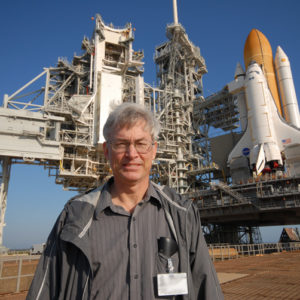
Ken Kremer of Space UpClose with NASA’s Artemis II SLS rocket with Orion spacecraft, arrived Feb. 25, 2026, inside the Vehicle Assembly Building at NASA’s Kennedy Space Center in Florida – after rolling back from Launch Complex 39B. Seen here hours later on Feb. 26 with work access platforms moved back in place overnight. NASA will repair blockages of helium flow to ICPS upper stage. Credit: Ken Kremer / Space UpClose
Ken Kremer of Space UpClose with NASA’s Artemis II SLS rocket with Orion spacecraft, arrived Feb. 25, 2026, inside the Vehicle Assembly Building at NASA’s Kennedy Space Center in Florida – after rolling back from Launch Complex 39B. Seen here hours later on Feb. 26 with work access platforms moved back in place overnight. NASA will repair blockages of helium flow to ICPS upper stage. Credit: Ken Kremer / Space UpClose
Watch for Ken’s continuing onsite coverage of NASA, SpaceX, ULA, Boeing, Lockheed Martin, Northrop Grumman and more space and mission reports direct from Kennedy Space Center and Cape Canaveral Air Force Station in Florida and Wallops Flight Facility in Virginia. Stay tuned here for Ken's continuing Earth and Planetary science and human spaceflight news. Dr. Kremer is a research scientist and journalist based in the KSC area, active in outreach and interviewed regularly on TV and radio about space topics. Ken’s photos are for sale and he is available for lectures and outreach events.
TITUSVILLE, FL – On August 5, I was interviewed live on LIVE NOW from Fox about the imminent SpaceX Falcon 9 upper stage rocket crash into the Moon just about 2 hours hour away at about 2:35 a.m. ET – that’s on a collision course crashing into the Moon at 5400 mph! Also: Why its great for science! The impact will
CAPE CANAVERAL, FL – On June 14, NASA’s Perseverance Mars rover achieved a major milestone by traveling a full marathon distance runners trek length across the Red Planet The 1 ton robotic explorer reached the full marathon distance of 26.2 miles, or 42.195 kilometers) on Sol 1890 of its mission – after five years and four months of driving since